
A Structural Galvanizing Plant is established to protect fabricated steel elements by applying a layer of zinc using the hot-dip galvanizing method. Steel items such as beams, columns, angles, channels, bridge parts, guard rails, and other heavy structural components are first properly cleaned and then dipped into a bath of molten zinc. During this immersion, the zinc reacts with the steel surface and forms a strong metallurgical coating that shields the metal from rust and environmental corrosion for a long period.
This protective process is widely used for infrastructure and construction steel because the zinc coating creates a durable barrier that significantly increases the service life of structural components exposed to outdoor conditions
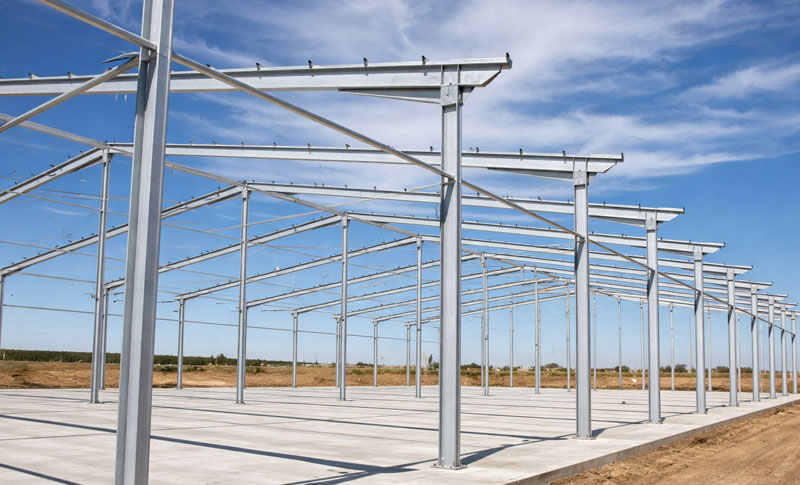
The galvanizing kettle is the most important equipment in a structural galvanizing plant. Its size determines the maximum length and size of steel structures that can be galvanized.
Typical Kettle Size Range
| Plant Type | Typical Kettle Size |
|---|---|
| Small structural galvanizing plant | 6 m × 1.2 m × 1.5 m |
| Medium structural galvanizing plant | 9–10 m × 1.5 m × 2.0 m |
| Large structural galvanizing plant | 12–15 m × 2.0 m × 2.5 m |
Many structural galvanizing plants worldwide use kettles around 10–15 m in length, 1.5–3.5 m width, and 2–4 m depth, depending on the size of steel components being processed
The molten zinc bath must be maintained at a stable temperature for proper coating formation.
Typical operating temperature:
Maintaining the correct temperature ensures uniform coating thickness and good metallurgical bonding between zinc and steel.
Maximum Fabrication Size
The kettle size must be selected based on the largest fabricated component that will be galvanized.
Common structural components include:
If components exceed kettle size, they must be fabricated in modules and assembled later
Typical Land requirement:
| Plant Capacity | Land Area |
|---|---|
| 20,000 MT/year | 3–4 acres |
| 40,000 MT/year | 5–6 acres |
| 60,000 MT/year | 7–8 acres |