
A Pole Galvanizing Plant is used to apply a protective zinc coating on steel poles such as street light poles, transmission poles, telecom poles, high-mast lighting poles, and utility poles using the hot-dip galvanizing process. In this process, properly cleaned poles are immersed in a bath of molten zinc so that a metallurgical bond forms between the zinc and steel surface, protecting the pole from corrosion and extending its service life for decades.
Poles used for street lighting and infrastructure generally range from 3 m to 12 m or even higher, which directly influences the required galvanizing kettle size for the plant.
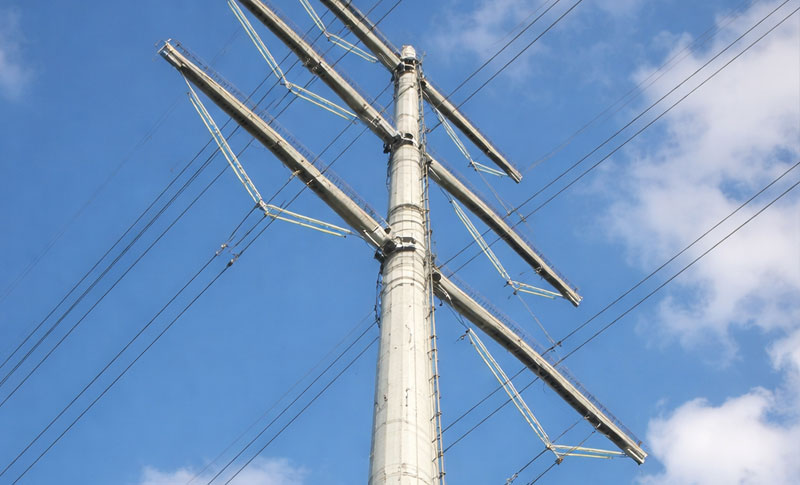
Since poles are long structural components, the galvanizing kettle must be designed according to the maximum pole length to be galvanized.
Typical Kettle Sizes Used in Pole Galvanizing Plants:
| Plant Capacity | Typical Kettle Size |
|---|---|
| Small pole galvanizing plant | 8 m × 1.3 m × 1.8 m |
| Medium pole galvanizing plant | 10–12 m × 1.5 m × 2.0 m |
| Large pole galvanizing plant | 13–15 m × 1.8 m × 2.2 m |
For example, a hot-dip galvanizing furnace used for light-pole production may use a kettle around 15 m × 1.5 m × 2 m with large zinc capacity to handle long pole sections.
Across many galvanizing facilities, typical kettle dimensions fall roughly around 12 m length, 1.8 m width, and 2.4 m depth, though some plants operate larger kettles up to 15–18 m for large structures.
Pole galvanizing plants commonly process:
Because poles are long and tapered, the kettle must allow safe immersion and withdrawal during the galvanizing process.
1. Maximum Pole Length
The kettle length must be larger than the longest pole section to be galvanized.
Typical design rule:
This ensures proper dipping and smooth zinc flow.
2. Zinc Consumption and Bath Capacity
Because poles are large structures, the kettle must contain sufficient molten zinc.
Typical zinc bath capacity:
Proper zinc bath capacity ensures stable galvanizing operations.