
The hot-dip galvanizing (HDG) industry plays a critical role in protecting steel from corrosion across major sectors such as infrastructure, power transmission, transportation, and construction. In the United States, the demand for galvanized steel continues to grow due to large-scale infrastructure projects, renewable energy development, and the need for long-lasting structural components.
Starting a galvanizing plant in the U.S. can be a highly profitable industrial investment. Galvanized steel is widely used in bridges, transmission towers, highway guardrails, solar structures, and utility infrastructure—applications where corrosion resistance is essential for long-term performance.
However, establishing a hot-dip galvanizing facility requires careful planning, regulatory approvals, specialized equipment, and technical expertise. This guide explains the key steps involved in setting up a galvanizing plant in the United States.
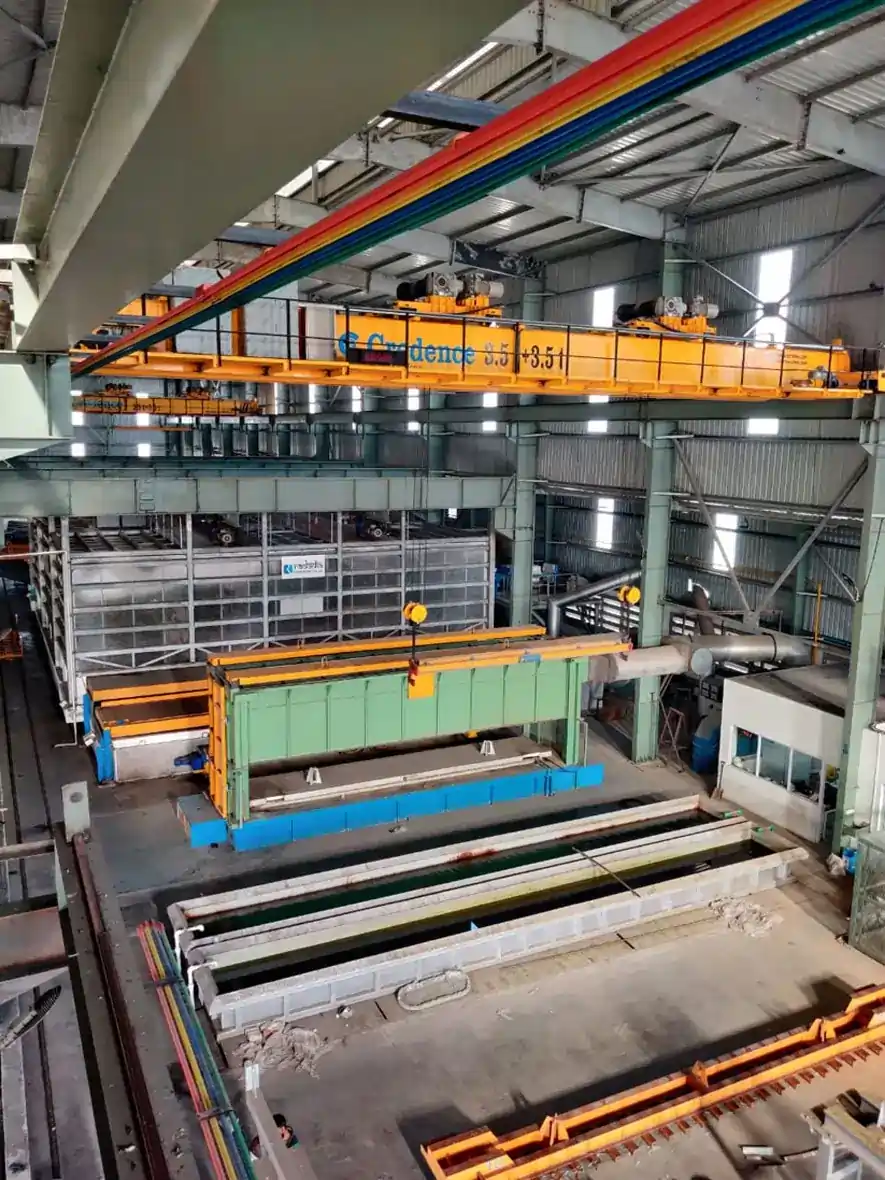
Hot-dip galvanizing is a metallurgical process in which fabricated steel components are coated with zinc by immersing them in molten zinc. The zinc reacts with the steel surface to form a series of zinc–iron alloy layers that provide long-term corrosion protection.
This protective coating significantly extends the life of steel structures, even in harsh environmental conditions.
The typical galvanizing process includes the following steps:
Understanding these steps is essential before planning plant equipment, layout design, and production capacity.
Before investing in a galvanizing facility, it is important to evaluate regional demand and identify potential customer industries.
Major industries that require galvanizing services in the United States include:
Government infrastructure programs and policies such as the Build America, Buy America Act are also increasing the demand for domestically produced galvanized steel components. This creates opportunities for new galvanizing plants that can serve regional fabrication industries.
A detailed business plan is essential before starting a galvanizing project.
A strong business plan should include:
Hot-dip galvanizing plants require significant capital investment due to large furnaces, galvanizing kettles, pollution control systems, and material handling infrastructure.
Choosing the right location can significantly impact operational efficiency and logistics costs.
Key factors to consider when selecting a site include:
Industrial zones near steel manufacturing hubs or fabrication clusters are ideal locations for galvanizing plants because they reduce transportation costs and turnaround time for customers.
Hot-dip galvanizing operations involve the use of acids, chemicals, and high-temperature furnaces. As a result, environmental and safety regulations in the United States are strict and must be followed carefully.
Common approvals required include:
Regulatory authorities may require documentation such as plant layout drawings, chemical safety data sheets (SDS), equipment specifications, and environmental impact assessments.
A well-designed plant layout improves productivity, material flow, and operational safety.
A typical galvanizing plant consists of the following sections:
i. Raw Material Handling Area
ii. Surface Preparation Section
iii. Galvanizing Section
iv. Cooling and Finishing Area
Efficient material handling systems such as overhead cranes, conveyors, and automated transfer systems are also essential to move steel components safely through the process.
The efficiency and capacity of a galvanizing plant depend heavily on the quality of its equipment.
Essential equipment includes:
The size of the galvanizing kettle determines the maximum dimensions of steel components that can be processed. Larger kettles allow plants to handle transmission towers, long structural members, and large infrastructure components.
To supply galvanized steel for major infrastructure projects in the United States, compliance with industry standards is essential.
Key standards include:
Adhering to these standards ensures consistent coating performance and allows suppliers to work with government projects and large infrastructure contractors.
Environmental compliance and worker safety are critical in galvanizing operations.
Essential systems include:
These systems help ensure safe working conditions while meeting federal and state environmental regulations.
Operating a galvanizing plant requires trained technical staff.
Proper training and process control are essential for achieving consistent coating thickness and high product quality.
Most galvanizing plants operate as service providers for steel fabricators and infrastructure manufacturers.
Key customer segments include:
Developing long-term partnerships with these industries ensures consistent plant utilization and steady revenue.
The investment required to establish a galvanizing plant varies depending on several factors, including:
Despite the high initial investment, galvanizing plants often generate stable long-term revenue because galvanized steel is essential for infrastructure projects and corrosion protection.
Setting up a hot dip galvanizing plant requires deep technical knowledge, specialized equipment, and proper project planning. Radadia Engineering Pvt. Ltd. is a well-known turnkey supplier and project Consultancy Company in the hot dip galvanizing industry, helping businesses establish efficient galvanizing facilities across different regions.
Radadia Engineering assists companies in establishing galvanizing plants by providing comprehensive solutions that include:
With extensive experience in the galvanizing industry, Radadia Engineering helps businesses develop efficient, high-capacity galvanizing plants that meet international quality standards. Their strategic project consultancy and technical expertise simplify the entire setup process—from initial planning to successful plant operation.
To strengthen its global presence and provide better support to international clients, Radadia Engineering has also expanded its operations in the United States, with a presence in Chicago. This expansion enables the company to work more closely with customers in North America, offering faster technical assistance, project coordination, and reliable supply of galvanizing plant equipment for the growing infrastructure and manufacturing sectors.
Through its combined expertise, global reach, and turnkey solutions, Radadia Engineering continues to support industries worldwide in building modern and efficient hot dip galvanizing plants.